Get free quotes from septic inspection near you
Takes about a minute. Free, no obligation; providers reply to you directly.
A friend called me last spring, frustrated after a real estate deal nearly fell apart. The buyer’s lender had flagged an “incomplete” septic inspection — because the inspector had done a video walkthrough from his truck, pointed a camera at the access lid, and filed a report without ever opening the tank. The deal delayed three weeks while they brought in someone who actually showed up.
That’s the problem with the “virtual inspection” trend applied to septic systems: it works brilliantly in some industries and spectacularly fails in others. Septic is firmly in the latter category — with a few exceptions worth knowing.
The Short Version:Remote septic inspections are almost never adequate for a real inspection. You need someone on-site. The post-COVID push toward virtual assessment works for insurance claims and preliminary scoping, but the physical access requirements of a septic system — opening the tank, checking the drain field, running water through the distribution box — can’t be replicated via FaceTime. Hire a licensed pro in person. Every time.
Key Takeaways
- Onsite septic inspections typically take about 30 minutes and require physical tank access — something no camera can substitute for
- Virtual tools work best as a supplement (real-time review, photo documentation) not a replacement for in-person work
- Systems need professional inspection every 3–5 years; annually if you’re buying or selling
- Remote options may cut costs and speed up claims cycles, but the miss rate for actual septic problems is materially higher
What a Real Septic Inspection Actually Involves
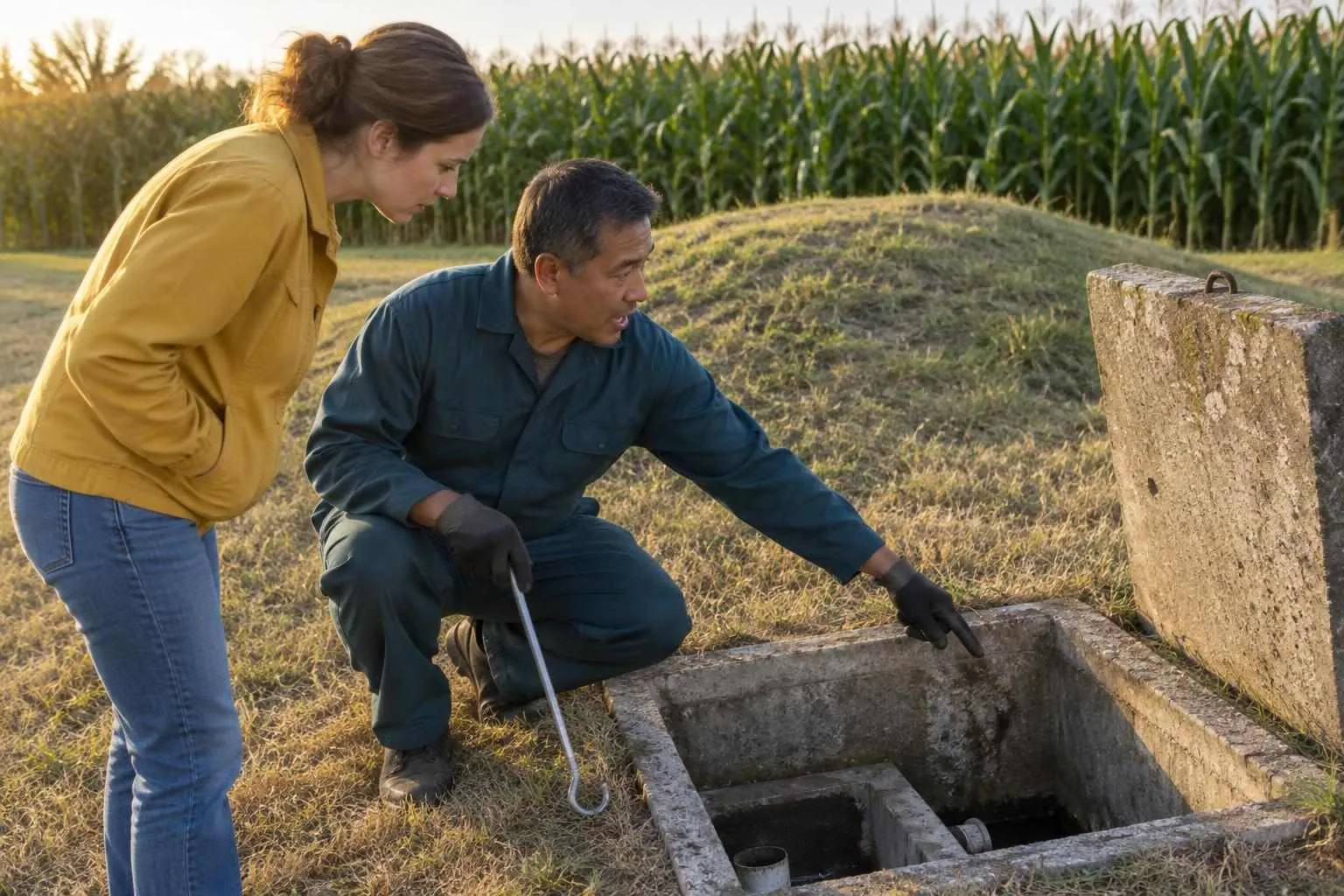
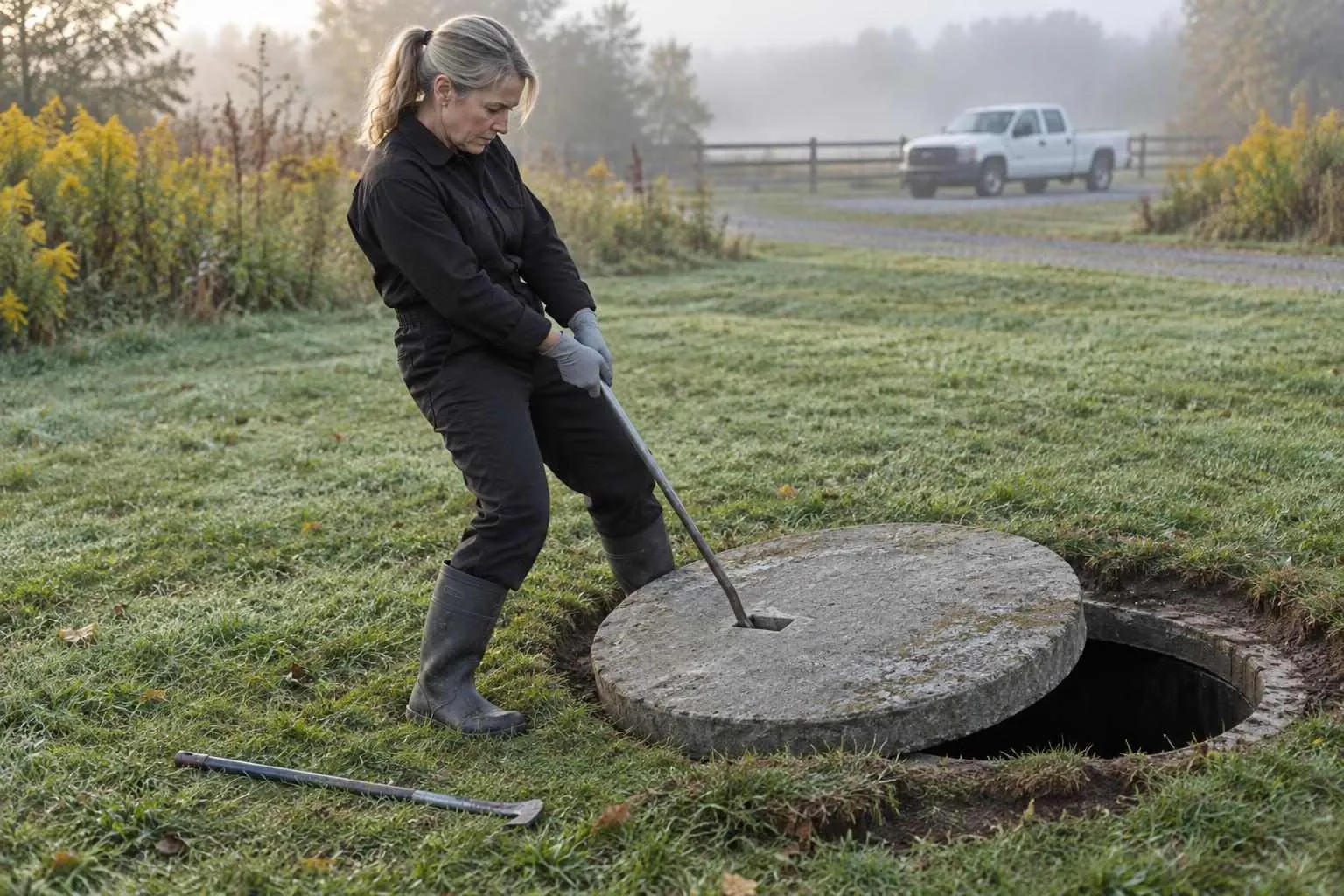
Here’s what most people miss: septic inspections aren’t like roof inspections or even HVAC checkups. A licensed inspector has to physically locate the tank (using health department records or a locator tool), uncover access points, inspect the tank interior, check the effluent screen, test the distribution to the drain field, look for root intrusion, run water and flush toilets to watch real-time flow behavior, and assess the drain field for standing water, odors, and discolored vegetation.
That’s not a checklist you can complete over video. It requires hands, boots, and specialized equipment on-site.
InterNACHI is explicit on this: septic systems require special training that falls outside standard home inspection scope, and unlicensed entry into the tank itself is prohibited. You’re not cutting corners by going remote — you’re skipping the inspection entirely.
The Remote Inspection Reality Check
Reality Check:The virtual inspection data you’ll see cited — like 60% of minor property claims fully documented within 24 hours — comes from insurance claims processing, not septic system evaluations. Those are different problems. Don’t let impressive-sounding stats from one industry get transplanted into a context where they don’t apply.
Post-COVID, a lot of industries shifted toward remote and virtual inspections for good reasons: reduced health risk, faster turnaround, lower cost. For things like minor property claims, roof photo reviews, or preliminary site scoping, remote workflows genuinely deliver.
Septic is the exception because of what the inspection physically requires. You can’t assess baffle integrity, check for root infiltration, or verify drain field saturation through a homeowner’s shaky iPhone video. Rural properties — which are disproportionately likely to have septic systems — also frequently lack the reliable Wi-Fi or cell coverage that remote tools depend on.
ComplyTraq, which tracks inspection technology trends, puts it plainly: onsite inspection is currently superior for noticing details that video misses, and while virtual may play a bigger role in future hybrid workflows, the technology isn’t there yet for septic specifically.
Head-to-Head: Remote vs. In-Person
| Factor | Remote/Virtual | In-Person |
|---|---|---|
| Tank access | Not possible | Required and completed |
| Drain field assessment | Photo/video only; high miss rate | Direct visual + water test |
| Turnaround time | Faster for documentation | ~30 minutes on-site |
| Rural viability | Poor (Wi-Fi dependent) | Unaffected |
| Cost | Lower (no travel) | Standard inspection fee |
| Regulatory compliance | Often insufficient | Meets local requirements |
| Suitable for real estate transactions | Rarely accepted | Standard requirement |
| Suitable for preliminary scoping | Yes | Overkill |
| Miss rate for hidden problems | High | Low (with licensed pro) |
| Best use case | Insurance documentation, hybrid assist | All actual inspections |
The hybrid model is worth flagging: some inspection companies use an on-site technician paired with a remote licensed professional who reviews live video and signs off on findings. This can work for certain documentation or claims contexts, but for a real estate transaction or a system showing signs of failure, you want the licensed expert physically present.
When Remote Might Actually Help (The Short List)
I’ll be honest — remote tools aren’t useless in this space. They just have a narrow lane.
Pre-inspection scoping. If you’re buying a rural property and trying to decide whether to commission a full inspection, a video walkthrough from the current owner showing visible access points and recent pumping receipts is useful context. It doesn’t replace inspection but helps you prep.
Insurance claims documentation. For minor claims where the issue is visible without tank access — standing water over the drain field, a cracked riser, surface evidence of failure — a photo-documented remote review can accelerate the claims cycle. This is where the 24-hour documentation window becomes real.
Post-inspection review. A good inspector will photograph everything. Remote review of those photos with the homeowner, real estate agent, or lender is genuinely useful and saves everyone a second site visit.
Pro Tip:Use the NOWRA Septic System Professional Locator to find accredited inspectors in your area. Verify licensing through your local health or environmental agency — requirements vary by jurisdiction, and an unlicensed “inspector” offering discounted virtual review is a liability, not a deal.
The Post-Pandemic Reality
The pandemic accelerated virtual inspection adoption across real estate and insurance. That was largely a good thing — unnecessary in-person contact was reduced, documentation improved, and a lot of workflows that didn’t need physical presence got streamlined.
Septic inspection is where the trend hit a wall. The physical nature of the system — buried underground, requiring tank access, dependent on water flow testing — doesn’t bend to convenience. Laws vary by jurisdiction, but in most areas, a valid septic inspection for a real estate transaction requires on-site work by a licensed professional. A virtual assessment doesn’t satisfy that requirement.
Nobody tells you this until the lender kicks back the file three weeks before closing.
Practical Bottom Line
If you’re buying or selling a home with a septic system, commission an in-person inspection from a licensed professional. No exceptions. Check the Complete Guide to Septic System Inspectors for what to look for in credentials and what the inspection process should cover end-to-end.
Systems need professional inspection every 3–5 years under normal use — more frequently if you’re adding living space, noticing slow drains, or picking up sewage odors near the drain field.
Remote tools have their place: supplementing documentation, accelerating claims, preparing for a site visit. But the inspection itself? That’s a boots-on-the-ground job.
Find a licensed inspector in your area, schedule the 30 minutes, and stop hoping technology has solved a problem it hasn’t.
Done reading? Get quotes from septic system inspectors near you.
Takes about a minute. Free, no obligation; providers reply to you directly.
Popular cities:
Nick built this directory to help homebuyers and homeowners find credentialed septic inspectors who provide unbiased evaluations — a conflict of interest he encountered firsthand when inspectors tied to pumping companies recommended costly repairs that an independent evaluator later deemed unnecessary.