

Office in Long Beach, CA
Septic System Inspectors in Los Angeles, CA
Compare curated septic system inspectors, check certifications, read reviews, and request quotes — all in one place.
7 providers Updated October 2026
Map shows providers with a known office location. All providers are listed below.
7 providers
No providers match this filter.
Providers with an office in the Los Angeles area, matched by the ZIP code of their published address.
Septic System Inspectors serving Los Angeles
EP
Long Beach, CA
Express Plumbing & Rooter offers septic tank inspection services for local property owners. It provides residential and commercial plumbing ...
PS
Long Beach, CA
Peninsula Septic Service Inc provides septic system inspections, pumping, repairs, installation, and maintenance for residential and commerc...
RM
Sylmar, CA
Rooter Man Plumbing provides residential and commercial plumbing and septic services in Los Angeles, Orange, and Ventura counties. Its Long ...
AI
Beverly Hills, CA
All In Sanitation Services, LLC provides septic tank pumping, maintenance, cleaning, and inspection for residential, commercial, and municip...
CS
Los Angeles, CA
Center Septic is a family-owned septic service provider in Valley Center that has operated since 1995. It provides septic pumping and cleani...
DF
Harbor City, CA
Drain Force Plumbing is an owner-operated, licensed and insured plumbing contractor serving San Pedro and the South Bay. It provides septic ...
FS
Lancaster, CA
Five Star Contractors is a Southern California general engineering construction company specializing in underground utility construction. It...
Elsewhere in the Los Angeles(1)
Offices in another part of the Los Angeles, listed on their own local page.
Also in California: Gold Country area (1), Ventura County area (1)
Need help choosing? Get matched with top providers in seconds.
0 providers selected
Are you a septic system inspector in Los Angeles? Already listed here: All In Sanitation Services, LLC, Center Septic, Drain Force Plumbing and 4 more.
List your businessHow SepticTrust Works
01
Browse & Compare
View curated providers, check certifications, and read real client reviews.
02
Request Quotes
Select up to 5 providers and send your project details. Free, no obligation.
03
Book Your Septic System Inspector
Compare quotes, check availability, and book directly with the provider.
Finding a qualified septic system inspector in Los Angeles shouldn’t feel like a blind date — but for most homeowners and real estate agents, it does. LA County has roughly 250,000 properties on private septic systems, many of them aging lateral-line setups that predate modern code, and the inspector pool ranges from genuinely certified professionals to guys with a flashlight and a firm handshake. This directory exists so you don’t have to sort through all of them yourself.
How to Choose a Septic System Inspector in Los Angeles
- Verify state licensing and NAWT certification. California requires septic inspectors to hold a valid state license (typically a contractor’s C-42 sanitation license or a registered environmental health specialist credential). On top of that, look for NAWT CI (Certified Inspector) or NAWT CSP designation — these require passing a proctored exam and ongoing continuing education. Asking for both takes 30 seconds and filters out roughly half the field.
- Ask specifically about LA County approval. Los Angeles County Environmental Health has its own approval process for inspectors operating in unincorporated areas. A inspector who’s only worked in Orange County may not know the county’s specific reporting forms or turnaround windows — which matters if you’re trying to close escrow on a timeline.
- Confirm the inspection includes pumping. A real inspection requires the tank to be pumped and visually inspected from the inside. Inspectors who “inspect” by running water and watching the grass are doing a visual assessment, not a full evaluation. These are not the same thing and should not cost the same thing.
- Request a written report with photos. Any inspector worth hiring delivers a written report documenting tank size, baffle condition, distribution box integrity, drainfield status, and any recommended repairs — with photos. If they can’t commit to that upfront, move on.
- Check their insurance. Errors and omissions coverage matters here. If an inspector signs off on a system that fails six months after closing, you want to know there’s a policy behind that signature.
Pro Tip: In the Santa Clarita Valley and Antelope Valley portions of LA County, many properties were originally served by cesspools rather than true septic systems. If you’re buying in these areas, ask your inspector explicitly whether the property has a cesspool — California banned new cesspools in 2001, and existing ones face increasing regulatory pressure.
What to Expect
A full septic inspection in Los Angeles runs $300–700 depending on tank size, accessibility, and whether pumping is included in the quoted price (it usually isn’t, so get that line-item clarified before booking). The inspection itself takes 2–4 hours on-site; a written report typically lands within 24–48 hours, which is usually fast enough for standard real estate transaction timelines.
Reality Check: The most common pricing mistake is booking the cheapest quote without asking what’s included. A $250 “inspection” that excludes pumping is really a visual walk-around. A $500 inspection that includes pumping, camera inspection of the outlet baffle, and a D-box check is a bargain. Compare what’s in the scope, not just the bottom line.
Local Market Overview
Los Angeles County sits in a complicated regulatory environment — properties in unincorporated areas fall under LA County Environmental Health, while cities like Long Beach and Pasadena have their own public works departments with distinct permitting and inspection sign-off requirements. For real estate transactions specifically, know that California’s standard purchase agreement doesn’t mandate a septic inspection, which means buyers who skip it are taking on full liability for a system that could cost $15,000–$40,000 to replace — a detail that tends to concentrate the mind when the escrow clock is running.
Frequently Asked Questions
How much does a septic system inspector cost in Los Angeles?
Septic System Inspector services in Los Angeles typically run $300-700 per inspection, depending on scope, complexity, and turnaround requirements. Expedited work and specialized equipment add cost.
What should I look for in a septic system inspector?
Look for NAWT CI — it's the credential that separates qualified septic system inspectors from the rest. Also verify insurance, check reviews, and confirm they can handle your project's specific requirements.
How many septic system inspectors are in Los Angeles?
There are currently 7 septic system inspectors listed in Los Angeles, CA on SepticTrust.
What does "Sponsored" mean on a listing?
Sponsored providers pay for more prominent placement on pages where they already qualify to appear. Payment does not change a provider's location, credentials or reviews, and it is not an endorsement. All providers on SepticTrust — sponsored or not — are real businesses.
Septic system inspector Resources

Best Septic System Inspectors in Los Angeles (2026 Guide)
Los Angeles has 22+ septic system inspector options but quality varies wildly. Know what a real dye-test inspection includes before you hire.
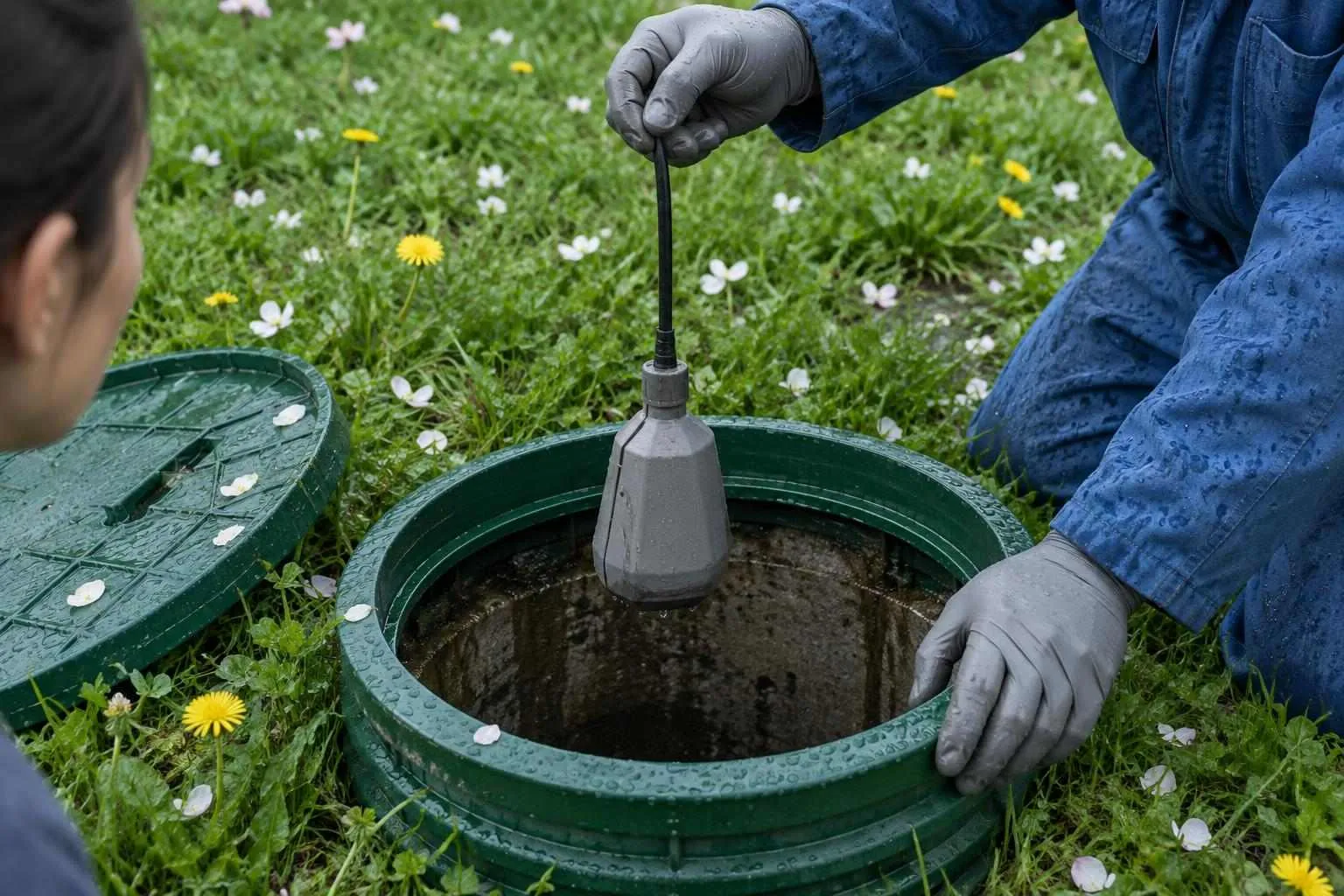
How Much Does a Septic System Inspector Cost? (2026 Pricing Guide)
Septic system inspector costs range $150–$650 — but the type you need matters more than location. See which tier fits your situation before you call.
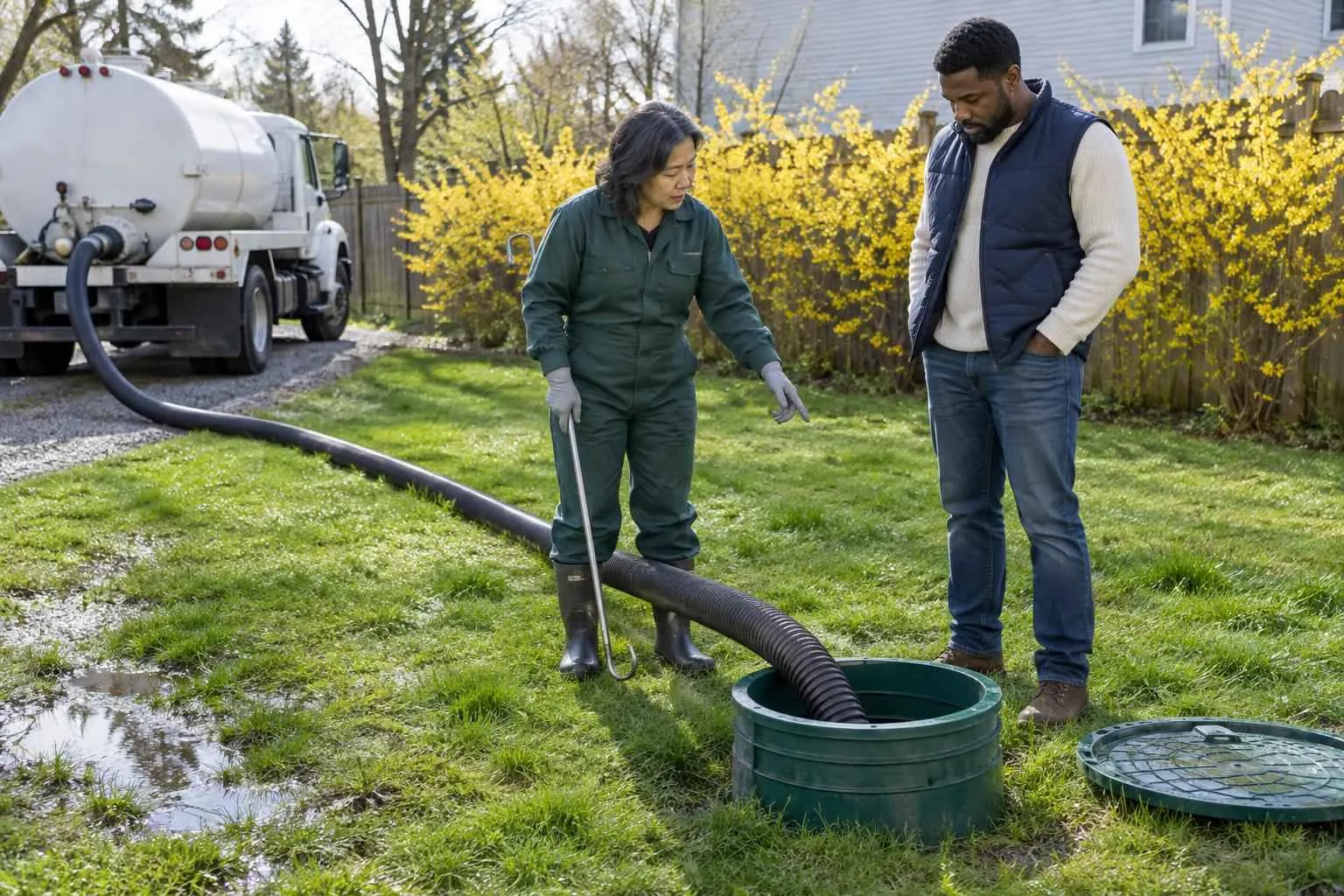
15 Questions to Ask Before Hiring a Septic System Inspector
A bad septic system inspector can cost you $22,000. These 15 questions reveal whether you're hiring a real pro or a liability shield with a probe rod.
Looking for more? Browse our full resource library or find septic system inspectors in other cities.