

Office location not published
Service area: “Serving Greater Pittsburgh, Allegheny, Washington, Fayette, Westmoreland, Indiana, Armstrong, Butler, Beaver”
Published service area ↗Compare curated septic system inspectors, check certifications, read reviews, and request quotes — all in one place.
Map shows providers with a known office location. All providers are listed below.
No providers match this filter.
Providers with an office in the Pittsburgh area, matched by the ZIP code of their published address.
Based outside the Pittsburgh area, with Pittsburgh named in the service area on their own website.
Office location not published
Service area: “Serving Greater Pittsburgh, Allegheny, Washington, Fayette, Westmoreland, Indiana, Armstrong, Butler, Beaver”
Published service area ↗Need help choosing? Get matched with top providers in seconds.
0 providers selected
Are you a septic system inspector in Pittsburgh? Already listed here: A-Affordable Sanitation Inc, Bruckner Onsite Services, First Class Home Inspections, LLC.
List your businessView curated providers, check certifications, and read real client reviews.
Select up to 5 providers and send your project details. Free, no obligation.
Compare quotes, check availability, and book directly with the provider.
Finding a qualified septic system inspector in Pittsburgh shouldn’t feel like navigating a minefield — but between unlicensed handymen, inspectors who’ve never seen an actual drainfield failure, and real estate timelines that give you 72 hours to figure it all out, it often does. This directory cuts through the noise so you can hire someone who actually knows what they’re looking at before you’re the new owner of a $15,000 septic replacement.
Pro Tip: Pittsburgh’s topography — all those hills and river valleys — means a lot of older residential properties in areas like the North Hills, South Hills, and rural Allegheny County suburbs sit on systems installed in the 1960s–80s. An inspector with experience in hilly terrain and older steel tanks is worth asking for by name.
A standard septic inspection in the Pittsburgh area runs $300–$700, with the wide range driven by system size, whether tank pumping is included (it should be — any inspection done without pumping is incomplete), and the complexity of the drainfield evaluation. Most inspectors turn around a written report within 24–48 hours, which fits most real estate contingency windows if you book early.
Reality Check: If someone quotes you $150 for a “full inspection,” they’re almost certainly doing a lid-pop and a flashlight look — not a proper evaluation. Tank pumping alone costs $250–$400 in Allegheny County. A real inspection that includes pumping and a written report costs more because it’s actually more work.
Allegheny County and the surrounding Pittsburgh metro have thousands of properties on private septic systems — concentrated in the suburbs and exurbs of Butler, Washington, Westmoreland, and Beaver counties, where public sewer doesn’t reach. Pennsylvania’s Act 537 (the Sewage Facilities Act) gives municipalities authority over sewage planning, which means inspection requirements and system standards can vary meaningfully from one township to the next, even within a short drive of the city. A Pittsburgh-area inspector who knows which municipalities are strict about lateral line inspections and which require specific DEP notifications before a sale closes will save you headaches that a generalist from out of the region won’t even see coming.
Septic System Inspector services in Pittsburgh typically run $300-700 per inspection, depending on scope, complexity, and turnaround requirements. Expedited work and specialized equipment add cost.
Look for NAWT CI — it's the credential that separates qualified septic system inspectors from the rest. Also verify insurance, check reviews, and confirm they can handle your project's specific requirements.
There are currently 3 septic system inspectors listed in Pittsburgh, PA on SepticTrust.
Sponsored providers pay for more prominent placement on pages where they already qualify to appear. Payment does not change a provider's location, credentials or reviews, and it is not an endorsement. All providers on SepticTrust — sponsored or not — are real businesses.
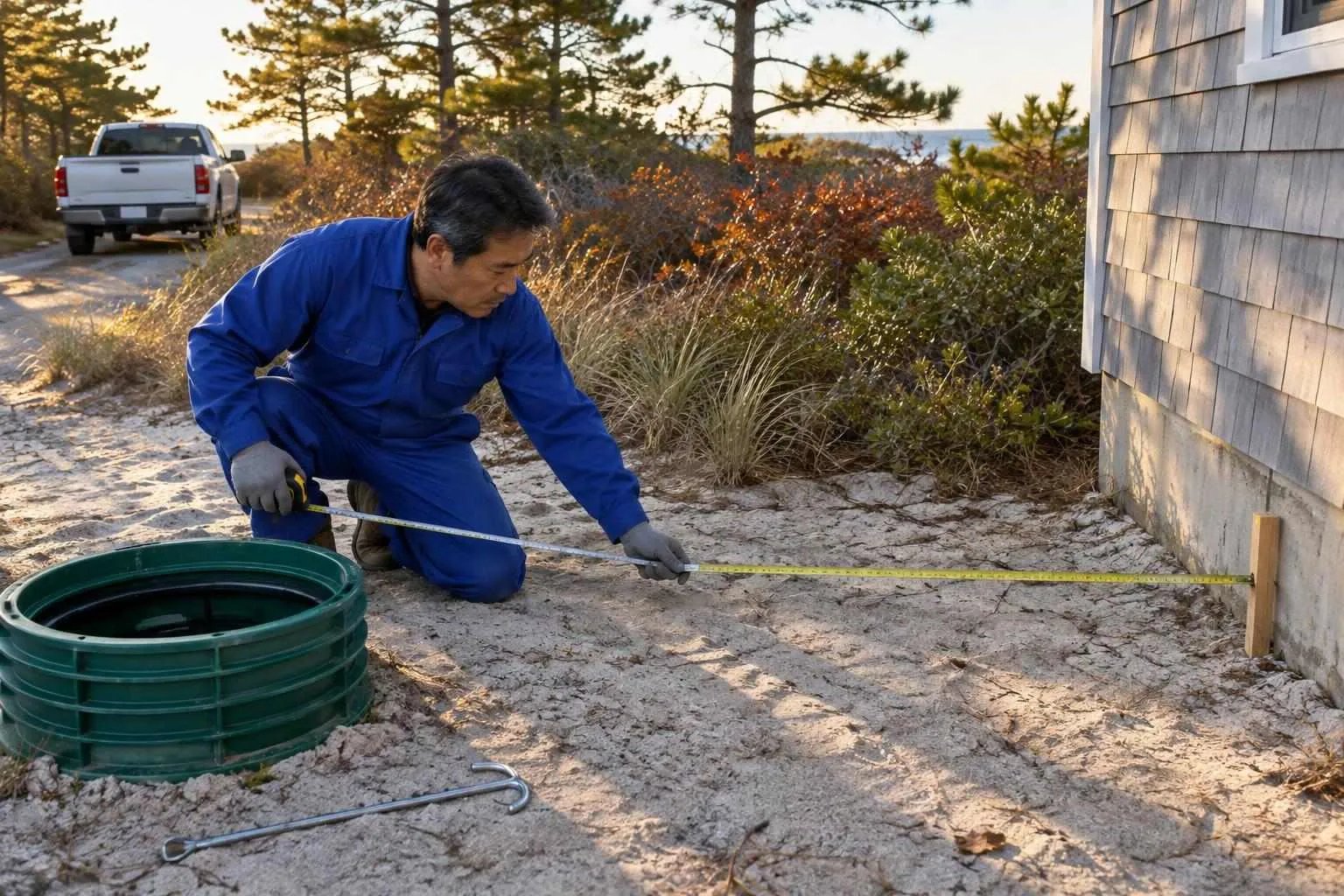
A buried tank lid and missing records delayed one seller's closing by 3 weeks. Run through this checklist before your septic system inspector arrives.
Septic system inspector costs range from $48 to $900+ depending on your state's rules, not skill. See the full state-by-state breakdown.
Hiring a septic system inspector takes 2–4 hours across five phases — here's exactly what happens at each step so you know what you're paying for.
Looking for more? Browse our full resource library or find septic system inspectors in other cities.