

Septic System Inspectors in Philadelphia, PA
Compare curated septic system inspectors, check certifications, read reviews, and request quotes — all in one place.
No providers match this filter.
Providers with an office in the Philadelphia area, matched by the ZIP code of their published address.
Need help choosing? Get matched with top providers in seconds.
0 providers selected
Are you a septic system inspector in Philadelphia? Already listed here: Bux Mont Inspections Inc., Del Val Septic, Sewer & Storm, Gray Brothers and 2 more.
List your businessHow SepticTrust Works
Browse & Compare
View curated providers, check certifications, and read real client reviews.
Request Quotes
Select up to 5 providers and send your project details. Free, no obligation.
Book Your Septic System Inspector
Compare quotes, check availability, and book directly with the provider.
Finding a qualified septic system inspector in Philadelphia shouldn’t feel like a coin flip, but for most homeowners and buyers, it does. The Philadelphia metro area sits at a strange intersection — a dense urban core surrounded by Chester, Montgomery, Bucks, and Delaware counties where onsite septic systems are common, often aging, and rarely well-documented. If you’re buying a property in the suburbs or rural fringes and your agent hands you a list of “recommended inspectors,” there’s a good chance that list was built on referral fees, not credentials.
How to Choose a Septic System Inspector in Philadelphia
- Verify Pennsylvania state licensing first. Pennsylvania requires septic system inspectors to hold a valid sewage enforcement officer (SEO) certification or work under one. Ask for license number and confirm it with the PA DEP. If they can’t produce it in under 60 seconds, keep moving.
- Look for NAWT CI or NOWRA Certified Professional credentials. State licensing is the floor, not the ceiling. Nationally certified inspectors (NAWT Certified Inspector, NOWRA Certified Professional) follow standardized protocols that give you a defensible inspection report — which matters if you’re negotiating repairs post-inspection.
- Confirm they do dye testing and distribution box checks, not just a visual. A visual-only inspection on a 30-year-old system in Bucks County tells you almost nothing. The inspection should include dye testing, tank pumping, baffle integrity check, and drainfield evaluation. If they’re quoting you a flat rate for “walk-around,” ask what that actually covers.
- Separate the pumper from the inspector. Many septic companies both pump tanks and inspect them. That’s not inherently a conflict, but ask explicitly: “Will the person inspecting the system have any financial interest in the repair or replacement work?” You want the answer to be no.
- Get the report in writing before you close. In Pennsylvania, real estate transactions involving septic systems should include a written inspection report documenting tank condition, baffle status, drainfield health, and any recommended repairs with estimated timelines. A verbal “it looks fine” is not a report.
Pro Tip: Montgomery and Bucks County properties are the highest-volume septic inspection markets in the greater Philadelphia area. Inspectors who work these counties regularly will know local soil conditions, municipal permit requirements, and the typical failure modes of systems installed in the 1970s and 80s — the majority of what you’ll encounter.
What to Expect
A full septic inspection in the Philadelphia metro typically runs $300–$700, with the wide range driven by system complexity, whether pumping is included, and how far out from Center City you are. Expect turnaround on written reports within 24–48 hours for most inspectors; some will hand you a preliminary summary on-site.
Reality Check: The cheapest inspection on the list is almost never the best value. A $250 inspection that misses a failing drainfield costs you $15,000–$40,000 in replacement when the system backs up two years after closing. Pay for credentials and completeness, not the lowest hourly rate.
Local Market Overview
Philadelphia’s urban core runs on municipal sewer, but the surrounding townships — particularly in Chester, Bucks, and Montgomery counties — have tens of thousands of onsite septic systems, many of them undersized for current household loads and operating under Pennsylvania’s older Chapter 73 regulations. Pennsylvania’s Act 537 sewage planning requirements mean that any property transaction involving a septic system may require county health department notification, and some municipalities require a permit-of-occupancy inspection before closing — so timing your inspection early in the due diligence window isn’t optional, it’s how you avoid delays at the table.
Frequently Asked Questions
How much does a septic system inspector cost in Philadelphia?
Septic System Inspector services in Philadelphia typically run $300-700 per inspection, depending on scope, complexity, and turnaround requirements. Expedited work and specialized equipment add cost.
What should I look for in a septic system inspector?
Look for NAWT CI — it's the credential that separates qualified septic system inspectors from the rest. Also verify insurance, check reviews, and confirm they can handle your project's specific requirements.
How many septic system inspectors are in Philadelphia?
There are currently 5 septic system inspectors listed in Philadelphia, PA on SepticTrust.
What does "Sponsored" mean on a listing?
Sponsored providers pay for more prominent placement on pages where they already qualify to appear. Payment does not change a provider's location, credentials or reviews, and it is not an endorsement. All providers on SepticTrust — sponsored or not — are real businesses.
Septic system inspector Resources
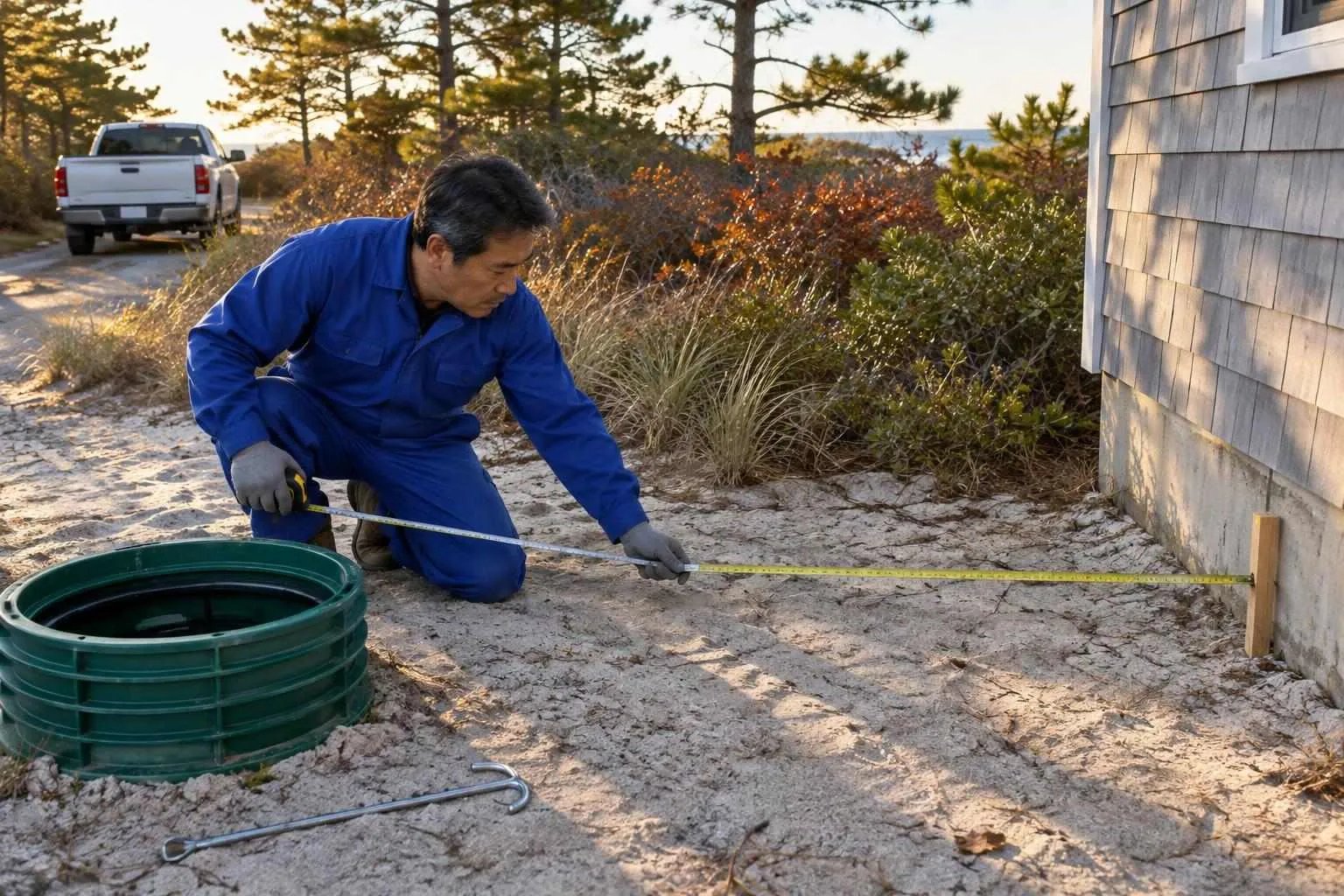
Septic System Inspector Costs by State: Where You'll Pay More (And Less)
Septic system inspector costs range from $48 to $900+ depending on your state's rules, not skill. See the full state-by-state breakdown.
How to Prepare for a Septic System Inspector Session (Homeowners And Real-Estate Professional's Checklist)
A buried tank lid and missing records delayed one seller's closing by 3 weeks. Run through this checklist before your septic system inspector arrives.
What to Expect When You Hire a Septic System Inspector (Step by Step)
Hiring a septic system inspector takes 2–4 hours across five phases — here's exactly what happens at each step so you know what you're paying for.
Looking for more? Browse our full resource library or find septic system inspectors in other cities.