

Office location not published
Service area: “Indianapolis, West Lafayette, Lafayette, Frankfort, Crawfordsville”
Published service area ↗Compare curated septic system inspectors, check certifications, read reviews, and request quotes — all in one place.
Map shows providers with a known office location. All providers are listed below.
No providers match this filter.
Providers with an office in the Indianapolis area, matched by the ZIP code of their published address.
Based outside the Indianapolis area, with Indianapolis named in the service area on their own website.
Office location not published
Service area: “Indianapolis, West Lafayette, Lafayette, Frankfort, Crawfordsville”
Published service area ↗Office location not published
Service area: “YOUR SEPTIC SOLUTIONS IN INDIANAPOLIS”
Published service area ↗Need help choosing? Get matched with top providers in seconds.
0 providers selected
Are you a septic system inspector in Indianapolis? Already listed here: 5M Inspection Services, AWP Home Inspections LLC, Indianapolis Home Inspections and 3 more.
List your businessView curated providers, check certifications, and read real client reviews.
Select up to 5 providers and send your project details. Free, no obligation.
Compare quotes, check availability, and book directly with the provider.
Finding a qualified septic system inspector in Indianapolis shouldn’t feel like defusing a bomb in the dark — but between the unlicensed operators, the rushed real estate timeline pressure, and the inspectors who’ll hand you a pass just to keep the deal moving, it kind of does. This directory exists to cut through that noise: real credentialed inspectors in the Indianapolis metro, vetted so you’re not gambling a $400,000 property purchase on a 15-minute visual once-over.
Pro Tip: In Indianapolis’s tight real estate market, listing agents sometimes pressure buyers to waive the septic inspection to speed up closing. Don’t. A failing drainfield replacement runs $8,000–$25,000. The inspection costs $500 and takes three days to schedule.
A full septic inspection in Indianapolis typically runs $300–$700, with most falling in the $400–$550 range when pumping is included. The process takes 2–3 hours on-site — tank location, pump-out, visual inspection of all components, and a drainfield probe or dye test if the system is older or showing symptoms. Written reports usually land within 24–48 hours.
Reality Check: If you see an inspector advertising $150–$200 inspections, they’re almost certainly not pumping the tank. You’re paying for someone to walk the yard and lift the lid — which tells you almost nothing about whether the system will hold up. Budget for the real thing.
Indianapolis sits in central Indiana where roughly 25% of properties outside the urban core rely on onsite septic systems — particularly in the rapidly developing suburban corridors of Fishers, Westfield, Brownsburg, and Plainfield. Marion County itself has fewer active septic systems than the surrounding counties, but the metro’s growth means inspectors are busy year-round, especially during spring and fall real estate peaks. Indiana’s ROMSM regulations have tightened over the past decade, and inspectors operating in Hamilton and Hendricks counties often need familiarity with both county-level health department requirements and state ISDH standards — so “Indianapolis-area” experience actually matters when you’re choosing who to hire.
Septic System Inspector services in Indianapolis typically run $300-700 per inspection, depending on scope, complexity, and turnaround requirements. Expedited work and specialized equipment add cost.
Look for NAWT CI — it's the credential that separates qualified septic system inspectors from the rest. Also verify insurance, check reviews, and confirm they can handle your project's specific requirements.
There are currently 6 septic system inspectors listed in Indianapolis, IN on SepticTrust.
Sponsored providers pay for more prominent placement on pages where they already qualify to appear. Payment does not change a provider's location, credentials or reviews, and it is not an endorsement. All providers on SepticTrust — sponsored or not — are real businesses.
A real septic system inspector opens the tank, measures sludge, and tests flow for 2–4 hours — not a 10-minute eyeball. Know what to demand before closing.

Your septic system inspector's report should include sludge levels, photos, and drain field notes. Use this checklist to spot a useless inspection before it…
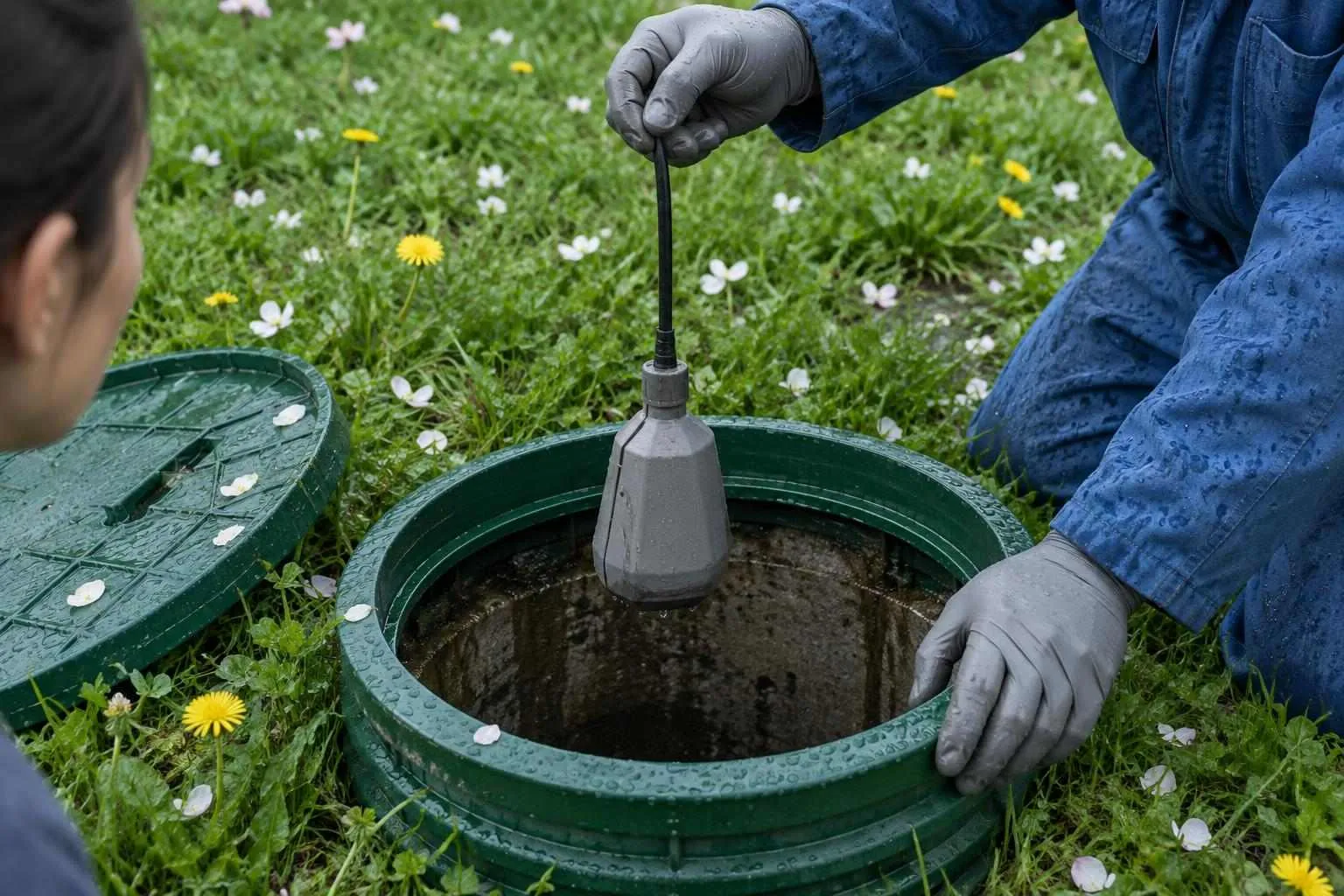
Septic system inspector costs range $150–$650 — but the type you need matters more than location. See which tier fits your situation before you call.
Looking for more? Browse our full resource library or find septic system inspectors in other cities.