

Septic System Inspectors in Salt Lake City, UT
Compare curated septic system inspectors, check certifications, read reviews, and request quotes — all in one place.
Map shows providers with a known office location. All providers are listed below.
No providers match this filter.
Providers with an office in the Salt Lake City area, matched by the ZIP code of their published address.
Also in Utah: Provo / Orem area (2)
Need help choosing? Get matched with top providers in seconds.
0 providers selected
Are you a septic system inspector in Salt Lake City? Already listed here: Alternative Onsite Solutions, Regal Service Team.
List your businessHow SepticTrust Works
Browse & Compare
View curated providers, check certifications, and read real client reviews.
Request Quotes
Select up to 5 providers and send your project details. Free, no obligation.
Book Your Septic System Inspector
Compare quotes, check availability, and book directly with the provider.
Finding a qualified septic system inspector in Salt Lake City shouldn’t feel like a scavenger hunt — but between Utah’s patchwork of county health department requirements and the flood of generalist home inspectors who quietly check the “septic” box on their service list, it is. The inspectors in this directory have been vetted against Utah Division of Water Quality licensing standards and NAWT certification requirements, so you’re not sorting through that mess alone.
How to Choose a Septic System Inspector in Salt Lake City
- Verify Utah state licensure first. Utah requires septic inspectors to hold a license through the Utah Division of Water Quality or operate under a licensed engineer. Ask for the license number upfront — any hesitation is your answer.
- Prioritize NAWT CI or NAWT CSP certification. The National Association of Wastewater Technicians credentials signal someone who passed a rigorous exam, not just filled out a contractor registration. In the Salt Lake Valley, where lot sizes shrink as you move toward the urban core, you want someone who knows the difference between a stressed drainfield and a failed one.
- Confirm they pull permits when required. Salt Lake County Environmental Health requires permits for inspections tied to system modifications or transfers on certain property types. An inspector who doesn’t mention this isn’t cutting a corner — they’re handing you the liability.
- Ask specifically about drainfield evaluation. A lot of inspectors will open the tank and stop there. In the bench and foothill areas east of the city — Emigration Canyon, Millcreek — soil percolation is everything. If they can’t describe how they assess drainfield saturation and lateral distribution, keep looking.
- Get the report format in advance. You want a written report with photos, not a verbal summary in the driveway. Real estate transactions in Utah move fast; a documented inspection report that references tank condition, baffle integrity, and estimated remaining life is what your attorney and lender actually need.
Pro Tip: If you’re in a real estate transaction, verify that your inspector’s report format is accepted by your lender. FHA and VA loans have specific requirements around septic documentation. Ask before you book.
What to Expect
A standard septic inspection in Salt Lake City runs $300–700 depending on system complexity, tank pumping requirements, and site access — hillside properties with difficult access tend to land at the top of that range. The inspection itself takes two to four hours on-site, with a written report typically delivered within 24–48 hours. Most inspectors schedule pump-out coordination with a licensed pumper separately, so factor that into your timeline if you’re under contract.
Reality Check: The cheap quote that doesn’t include tank pumping isn’t cheaper — it’s incomplete. A visual-only inspection without opening and pumping the tank misses baffle damage, sludge levels, and early drainfield indicators that cost tens of thousands of dollars to ignore. Budget for the real thing.
Local Market Overview
Salt Lake City sits at an interesting edge: the urban core is served by Salt Lake City’s municipal sewer system, but the moment you move into the surrounding unincorporated areas — Cottonwood Heights, Draper’s older subdivisions, the canyons — private septic systems become the norm, and the Utah Division of Water Quality keeps a watchful eye on anything near the valley’s sensitive aquifer recharge zones. Utah also saw a significant real estate transaction spike in recent years, and septic inspections have followed demand upward — meaning inspector availability can be tight during peak buying season, typically March through June. Book early, and don’t assume a home inspector with a septic add-on is a substitute for a dedicated system specialist.
Frequently Asked Questions
How much does a septic system inspector cost in Salt Lake City?
Septic System Inspector services in Salt Lake City typically run $300-700 per inspection, depending on scope, complexity, and turnaround requirements. Expedited work and specialized equipment add cost.
What should I look for in a septic system inspector?
Look for NAWT CI — it's the credential that separates qualified septic system inspectors from the rest. Also verify insurance, check reviews, and confirm they can handle your project's specific requirements.
How many septic system inspectors are in Salt Lake City?
There are currently 2 septic system inspectors listed in Salt Lake City, UT on SepticTrust.
What does "Sponsored" mean on a listing?
Sponsored providers pay for more prominent placement on pages where they already qualify to appear. Payment does not change a provider's location, credentials or reviews, and it is not an endorsement. All providers on SepticTrust — sponsored or not — are real businesses.
Septic system inspector Resources
The Complete Guide to Septic System Inspectors
A real septic system inspector opens the tank, measures sludge, and tests flow for 2–4 hours — not a 10-minute eyeball. Know what to demand before closing.
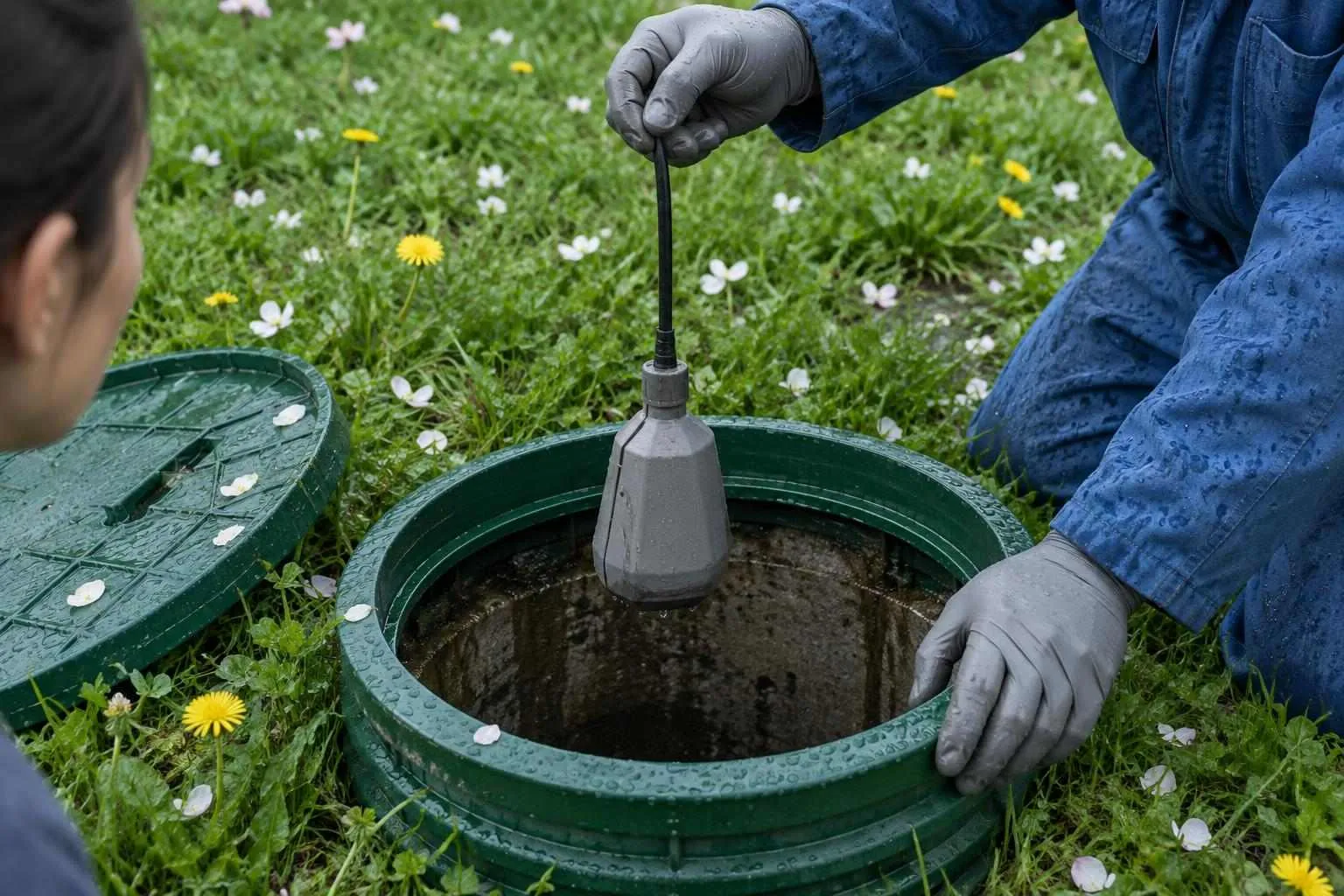
How Much Does a Septic System Inspector Cost? (2026 Pricing Guide)
Septic system inspector costs range $150–$650 — but the type you need matters more than location. See which tier fits your situation before you call.
Are Cheap Septic System Inspectors Worth It? The Real Cost of Cutting Corners
Cheap septic system inspector quotes cost $150 but failed drain fields run $40,000. See what a real inspection includes before you close.
Looking for more? Browse our full resource library or find septic system inspectors in other cities.