

Septic System Inspectors in Honolulu, HI
Compare curated septic system inspectors, check certifications, read reviews, and request quotes — all in one place.
No providers match this filter.
Providers with an office in the Hawaii area, matched by the ZIP code of their published address.
Need help choosing? Get matched with top providers in seconds.
0 providers selected
Are you a septic system inspector in Honolulu? Already listed here: Advanced Compliance Solutions, Inc., Alpha Omega Plumbing Inc, First Quality Environmental.
List your businessHow SepticTrust Works
Browse & Compare
View curated providers, check certifications, and read real client reviews.
Request Quotes
Select up to 5 providers and send your project details. Free, no obligation.
Book Your Septic System Inspector
Compare quotes, check availability, and book directly with the provider.
Finding a qualified septic system inspector in Honolulu shouldn’t feel like navigating a drainage field blindfolded — but between the shortage of licensed inspectors on Oahu, the quirks of Hawaii’s state permitting system, and real estate timelines that leave no room for error, most homebuyers end up choosing whoever answers the phone first. This directory exists so you don’t have to make that call blind.
How to Choose a Septic System Inspector in Honolulu
- Verify Hawaii DOH licensing. Hawaii requires septic inspectors and cleaners to be licensed through the Department of Health’s Wastewater Branch. Ask for their license number and confirm it’s current before booking — an unlicensed report won’t satisfy a lender or the Honolulu Board of Realtors.
- Check for NAWT CI certification. A National Association of Wastewater Technicians Certified Inspector credential means the inspector passed a nationally recognized exam and follows standardized protocols. It’s not required by Hawaii, but it signals someone who takes the work seriously beyond the state minimum.
- Ask specifically about cesspool vs. septic system experience. Honolulu has one of the highest concentrations of cesspools in the country — Hawaii still has roughly 88,000 statewide, many on Oahu. An inspector who primarily works conventional septic tanks may not know what they’re looking at when they open a cesspool lid, and the compliance implications are very different under Hawaii’s cesspool conversion law (Act 125).
- Confirm they’ll pump before inspecting. A legitimate inspection includes pumping the tank so the inspector can actually see the interior walls, baffles, and inlet/outlet condition. Anyone offering a “drive-by” visual check without pumping isn’t giving you a real inspection — they’re giving you a guess.
- Get the turnaround time in writing. Real estate transactions in Hawaii move fast, and inspection contingency windows are tight. A written commitment to deliver the report within 48–72 hours protects you if the deal hinges on it.
Pro Tip: If you’re buying in a neighborhood built before 1970 — much of Kaimuki, Manoa, and parts of the North Shore — assume the system is older than the listing agent knows. Ask the inspector to specifically document the tank material (concrete vs. steel) and look for signs of corrosion or structural compromise.
What to Expect
A standard septic inspection in Honolulu runs $300–700, with most falling in the $400–550 range when tank pumping is bundled in. Inspectors typically spend 2–4 hours on-site, including tank access, pump-out, distribution box check, and drainfield probe or dye test where terrain allows. Written reports usually land within 24–72 hours.
Reality Check: The biggest pricing mistake buyers make is hiring the cheapest inspector, getting a vague report, and then discovering post-closing that the drainfield is failing. A $150 “discount inspection” that misses a $15,000 drainfield replacement isn’t a bargain — it’s a liability. Pay for the inspector who pumps the tank and puts specific observations in writing.
Local Market Overview
Honolulu’s septic market is shaped by two converging pressures: Hawaii’s aggressive cesspool phase-out law (all cesspools must be upgraded or replaced by 2050, with high-risk properties facing earlier deadlines), and Oahu’s notoriously tight real estate market where homes move in days. That combination means inspectors are in high demand during escrow season, and the ones who know Hawaii DOH compliance requirements — not just how to run a dye test — are worth paying a premium to get on your calendar early.
Frequently Asked Questions
How much does a septic system inspector cost in Honolulu?
Septic System Inspector services in Honolulu typically run $300-700 per inspection, depending on scope, complexity, and turnaround requirements. Expedited work and specialized equipment add cost.
What should I look for in a septic system inspector?
Look for NAWT CI — it's the credential that separates qualified septic system inspectors from the rest. Also verify insurance, check reviews, and confirm they can handle your project's specific requirements.
How many septic system inspectors are in Honolulu?
There are currently 3 septic system inspectors listed in Honolulu, HI on SepticTrust.
What does "Sponsored" mean on a listing?
Sponsored providers pay for more prominent placement on pages where they already qualify to appear. Payment does not change a provider's location, credentials or reviews, and it is not an endorsement. All providers on SepticTrust — sponsored or not — are real businesses.
Septic system inspector Resources
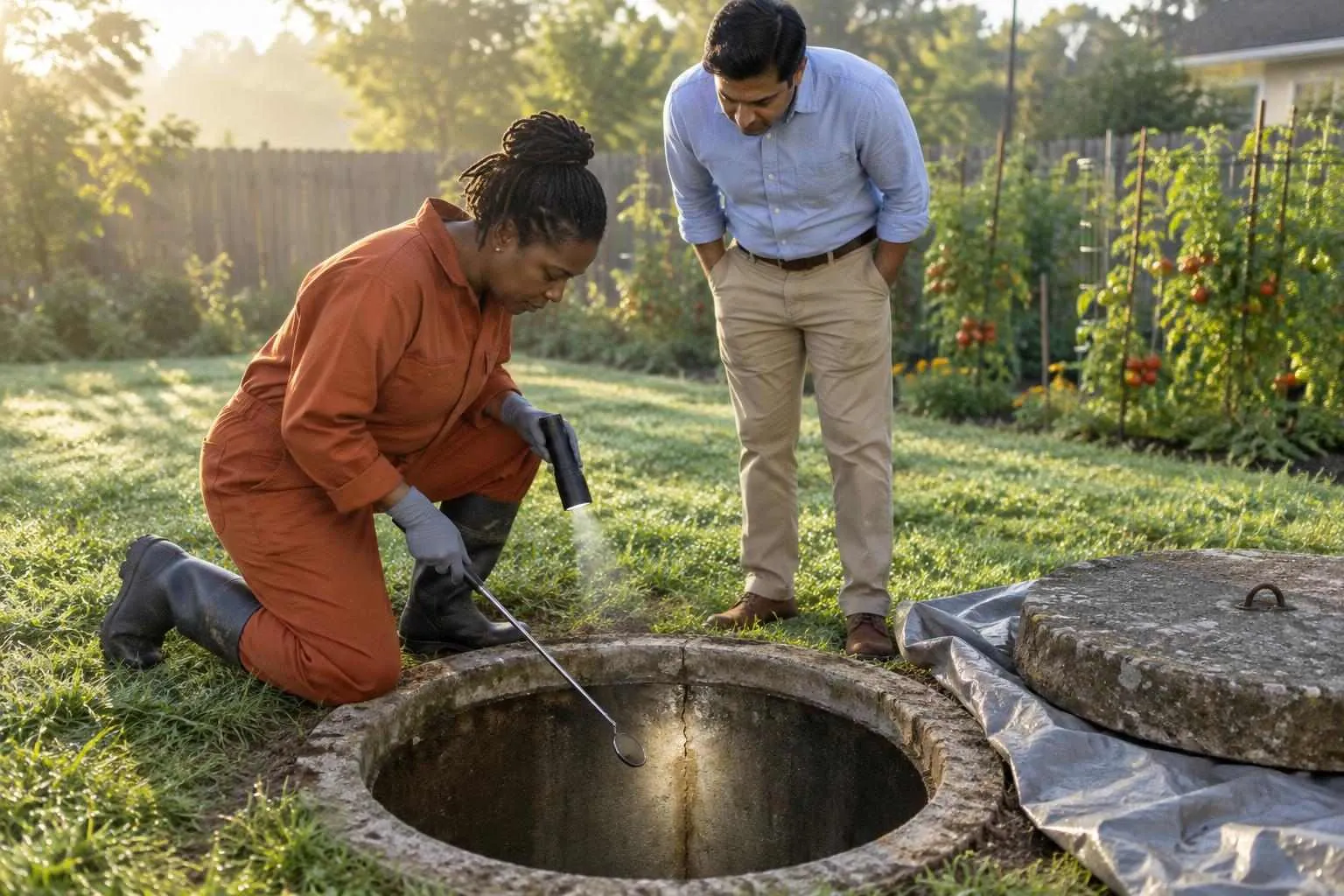
7 Red Flags When Hiring a Septic System Inspector (And How to Avoid Them)
Hiring the wrong septic system inspector cost one homeowner $11,000. Spot all 7 red flags before you sign — and know what a real inspection includes.
9 Common Septic System Inspector Mistakes (And How to Avoid Them)
9 common septic system inspector mistakes that cost homeowners thousands — from skipping drain field checks to hiring on price. Know what a real inspection…
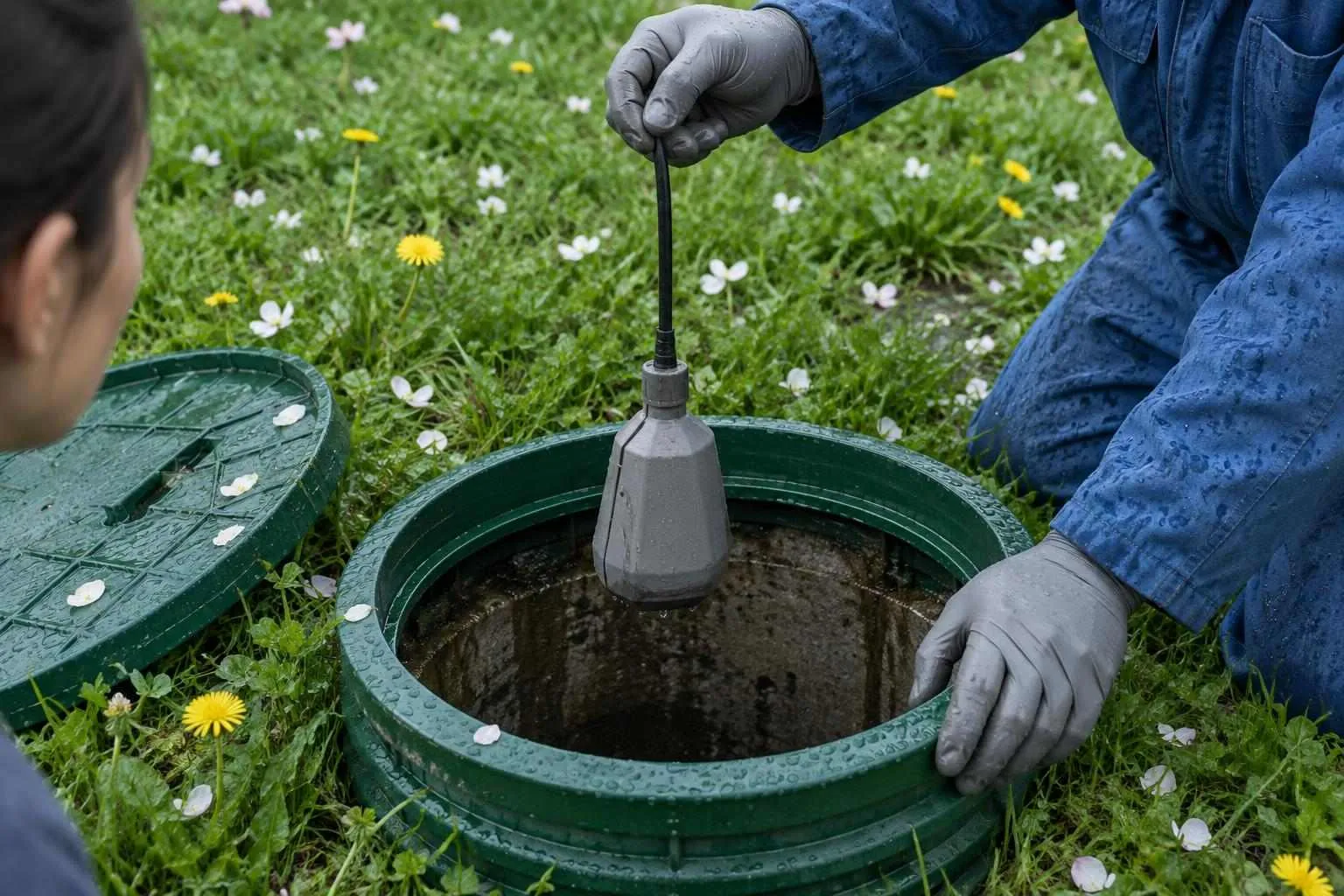
How Much Does a Septic System Inspector Cost? (2026 Pricing Guide)
Septic system inspector costs range $150–$650 — but the type you need matters more than location. See which tier fits your situation before you call.
Looking for more? Browse our full resource library or find septic system inspectors in other cities.