

Office location not published
Service area: “Septic Inspection in Austin, TX (Travis County)”
Published service area ↗Compare curated septic system inspectors, check certifications, read reviews, and request quotes — all in one place.
Map shows providers with a known office location. All providers are listed below.
No providers match this filter.
Providers with an office in the Austin area, matched by the ZIP code of their published address.
Based outside the Austin area, with Austin named in the service area on their own website.
Office location not published
Service area: “Septic Inspection in Austin, TX (Travis County)”
Published service area ↗Also in Texas: Killeen / Temple / Ft Hood area (1), San Marcos area (1)
Need help choosing? Get matched with top providers in seconds.
0 providers selected
Are you a septic system inspector in Austin? Already listed here: Aloha Septic, Mac Septic, Pro-Tec Septic and 3 more.
List your businessView curated providers, check certifications, and read real client reviews.
Select up to 5 providers and send your project details. Free, no obligation.
Compare quotes, check availability, and book directly with the provider.
Finding a qualified septic system inspector in Austin shouldn’t be a coin flip, but between the city’s explosive growth pushing development into the Hill Country fringe and a patchwork of county jurisdictions with different licensing requirements, most homebuyers end up Googling blind at 9pm the night before their option period expires. This directory cuts through that — every inspector listed here is credentialed, local, and has a track record you can actually verify.
Pro Tip: If the property is in Hays or Williamson County (common for Hill Country buyers pricing out of Travis), call the county environmental health office directly to confirm permit records for the system before your inspection. Unpermitted systems are a legitimate deal-killer and show up more often than sellers admit.
A standard septic inspection in the Austin area runs $300–$700, with the spread driven primarily by whether tank pumping is included (add $150–$300 if it’s separate), system complexity, and site access. Aerobic systems with multiple components typically land at the higher end. Most inspectors deliver a written report same-day or within 24 hours — sufficient for a standard 10-day option period.
Reality Check: The cheapest quote usually skips the pump. A visual-only inspection on a full tank can’t assess baffle condition or effluent levels, which is exactly what fails first on older systems. You’re not saving money — you’re buying liability. Budget for the full inspection upfront.
Austin’s development pressure has pushed thousands of homes onto private septic systems in the ETJ (extraterritorial jurisdiction) and surrounding counties, and TCEQ enforcement of maintenance and inspection standards has tightened considerably in the last few years — particularly for aerobic systems, which require permitted maintenance contracts. If you’re buying a property with an ATU in Travis, Hays, or Williamson County, the inspection isn’t just due diligence: a lapsed maintenance contract can trigger county enforcement action that becomes the new owner’s problem on day one.
Septic System Inspector services in Austin typically run $300-700 per inspection, depending on scope, complexity, and turnaround requirements. Expedited work and specialized equipment add cost.
Look for NAWT CI — it's the credential that separates qualified septic system inspectors from the rest. Also verify insurance, check reviews, and confirm they can handle your project's specific requirements.
There are currently 6 septic system inspectors listed in Austin, TX on SepticTrust.
Sponsored providers pay for more prominent placement on pages where they already qualify to appear. Payment does not change a provider's location, credentials or reviews, and it is not an endorsement. All providers on SepticTrust — sponsored or not — are real businesses.
A real septic system inspector opens the tank, measures sludge, and tests flow for 2–4 hours — not a 10-minute eyeball. Know what to demand before closing.
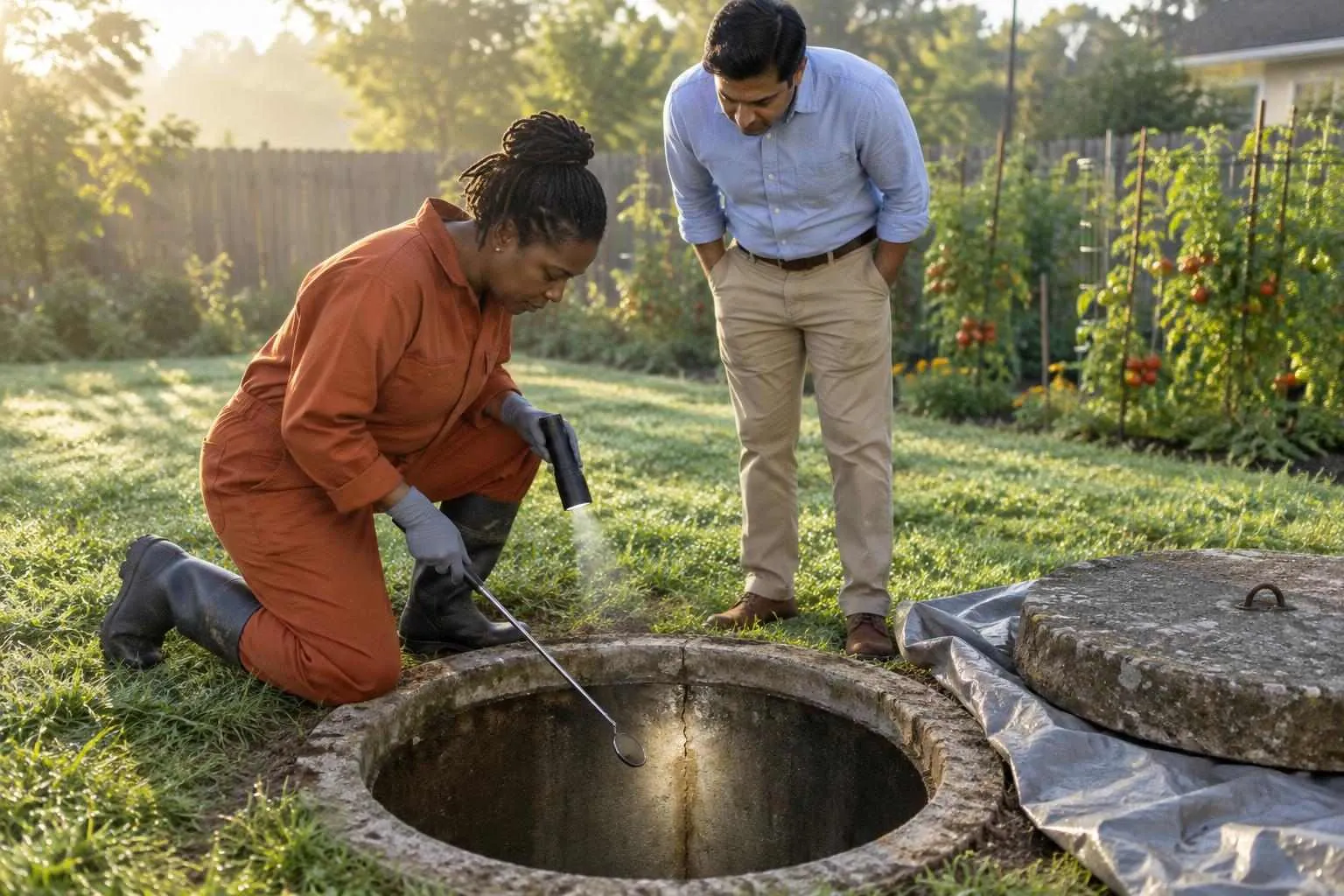
Hiring the wrong septic system inspector cost one homeowner $11,000. Spot all 7 red flags before you sign — and know what a real inspection includes.
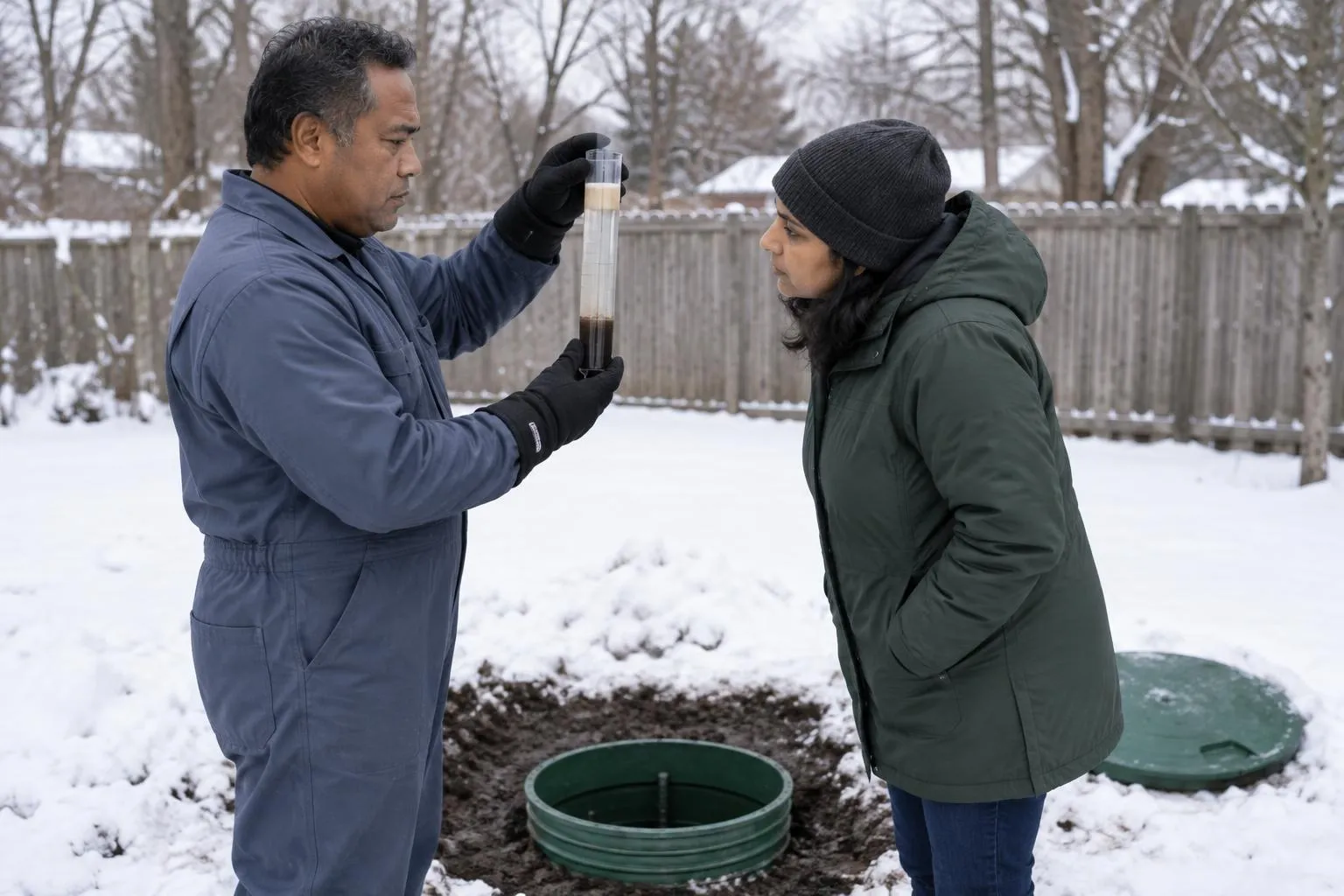
Your septic system inspector's report should include sludge levels, photos, and drain field notes. Use this checklist to spot a useless inspection before it…
Looking for more? Browse our full resource library or find septic system inspectors in other cities.