Septic system inspectors listed in New York
See all 1 in New York →- 1National Association of Wastewater Technicians Certification Number: 14394 · Pennsylvania Septage Management Association Certification Number: 101855
Septic Logic offers septic system inspections for homeowners, buyers, and sellers, including inspections associated with home title transfers. Inspector John J. DeGuilio, A.A.S., has conducted over 1,300 septic inspections; the site lists National Association of Wastewater Technicians and Pennsylvania Septage Management Association certifications and Westchester County Health Department Septic Contractor License 656. Its published mailing address is P.O. Box 277, Crompound, NY 10517; no street office address is provided.
Get free quotes from septic inspection in New York
Takes about a minute. Free, no obligation; providers reply to you directly.
My neighbor in Ulster County listed her house last fall and didn’t think twice about the septic system. It had “always worked fine.” Three weeks before closing, the buyer’s inspector found a failed drainfield and a tank that hadn’t been pumped in over a decade. The deal didn’t fall through — but she ate a $14,000 repair credit to keep it alive.
That’s the New York septic story in miniature. Rural and semi-rural properties across the state run on onsite systems, and most owners treat them like drywall — invisible until something goes catastrophically wrong.
The Short Version:New York has credentialed septic inspectors spread across every major region — Capital District, Hudson Valley, Saratoga, Monroe, and the tri-state corridor. For real estate transactions, hire a NAWT-certified inspector at least two weeks before your closing date. For existing systems, don’t wait for odors or wet spots — schedule a visual inspection every three years. Budget $300–$600 for a standard inspection; expect more if the inspector needs to locate and excavate tank lids.
Key Takeaways
- New York’s rural and suburban property market means septic inspections are a near-constant in real estate transactions outside NYC’s five boroughs
- Nationally certified inspectors (NAWT Certified Inspector designation) are the baseline to look for — certifications vary by county for licensed evaluators
- Inspection scope matters: a real inspection covers tank condition, baffle integrity, distribution box, and drainfield — not just a lid pop and a look
- Timing kills deals: commissioning an inspection late leaves zero runway for negotiation if repairs are needed
What Makes New York’s Septic Market Different
Here’s what most people miss: New York isn’t one market. It’s a patchwork of county health departments, each with their own inspection standards, permit requirements, and regulatory quirks. What a Suffolk County health inspector requires on a Title V-adjacent evaluation isn’t what a Hamilton County evaluator expects in the Adirondacks.
The practical consequence: hiring a generalist home inspector who “also does septic” is a real risk upstate. You want someone whose primary credential is septic system evaluation — not someone who tacked it onto a home inspection license.
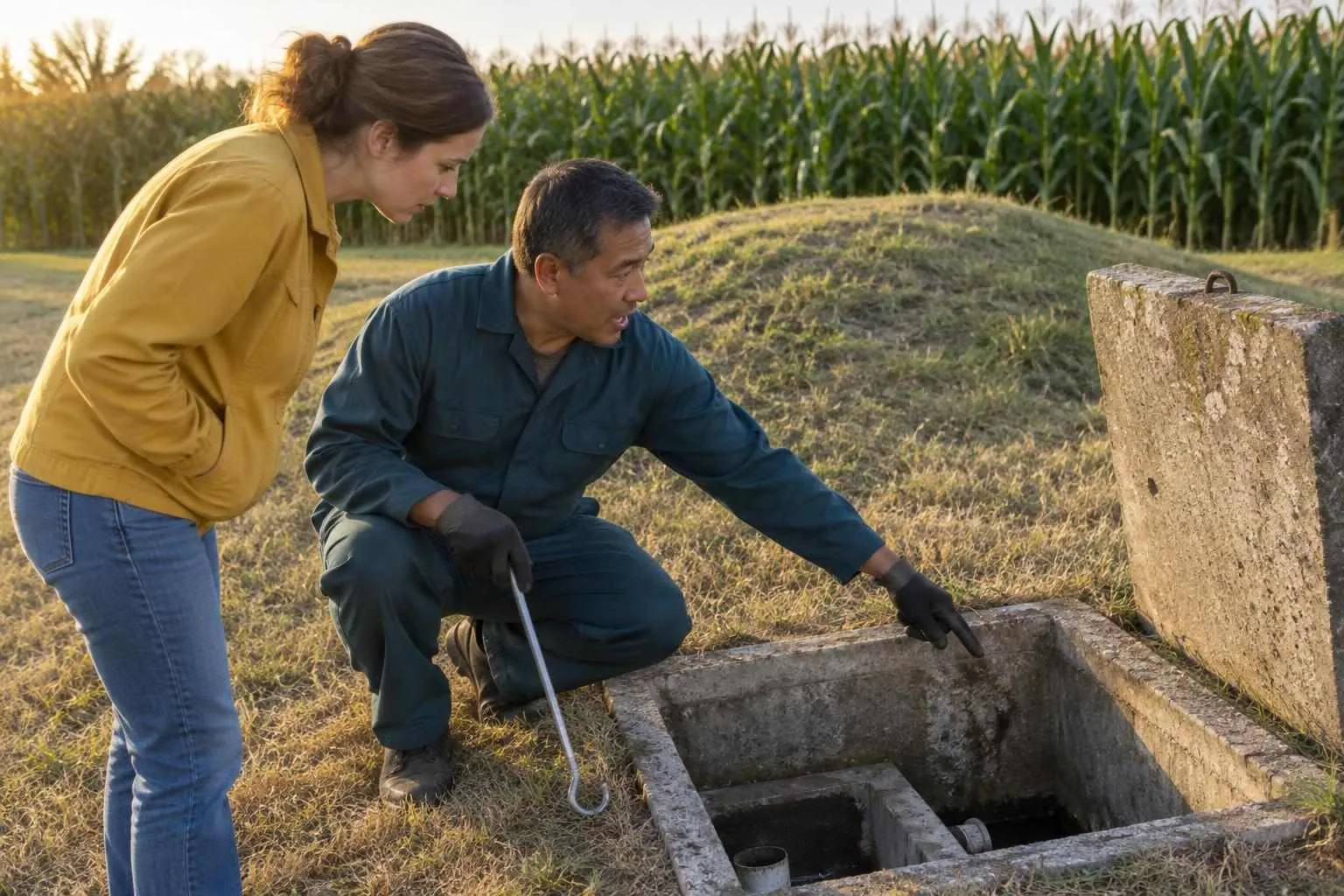
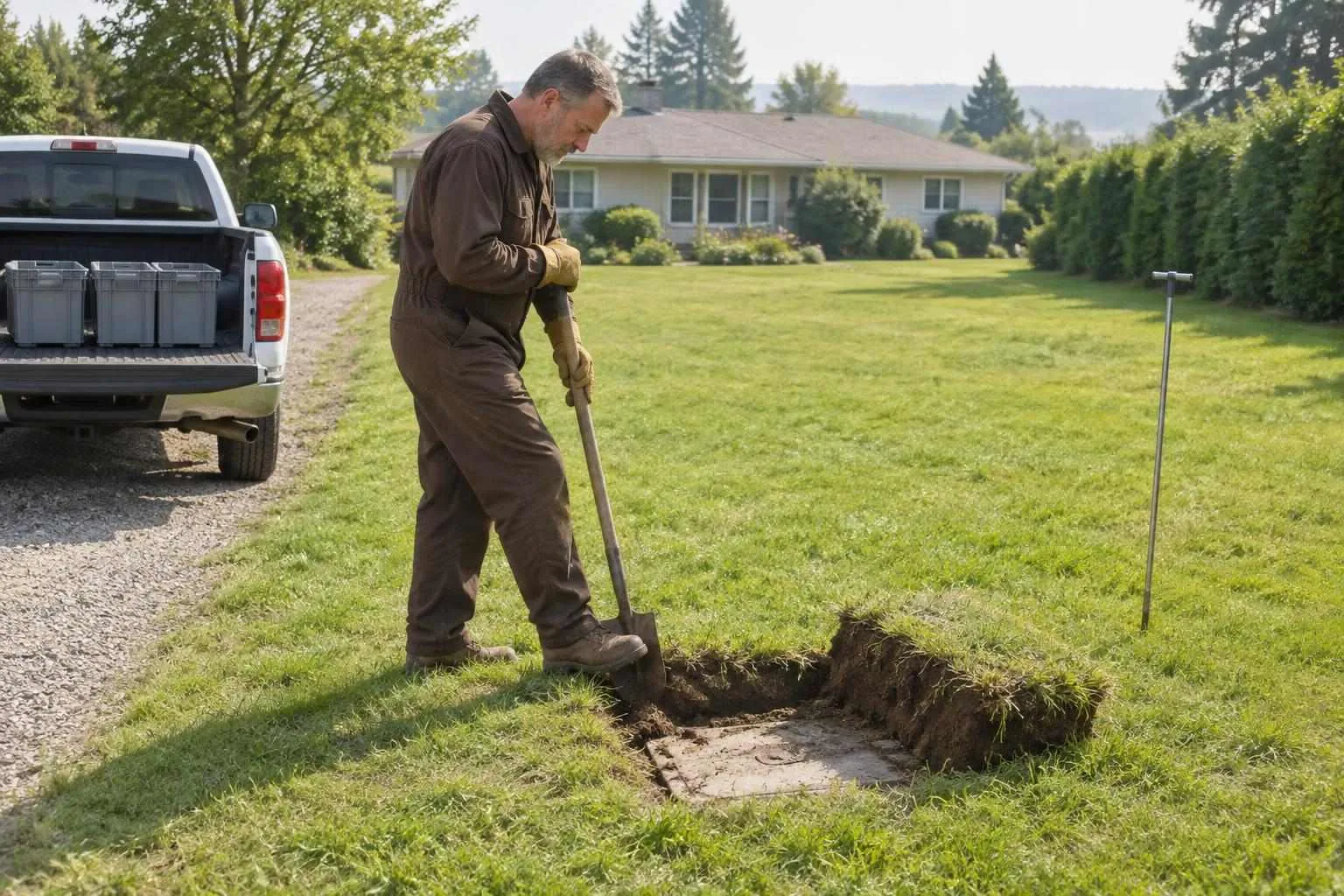
Reality Check:A “visual” inspection from a general home inspector isn’t the same as a system inspection. A proper septic evaluation includes probing the drainfield for soft spots, checking tank baffles (inlet and outlet), locating and opening the distribution box, and assessing effluent levels. If your inspector didn’t get dirty, they didn’t really inspect the system.
Established Providers Across New York Regions
The state has solid coverage from established companies, though availability varies by region. Here’s a quick breakdown of who operates where:
| Company | Region | Notable Detail |
|---|---|---|
| A1 Quality Septic & Drain | Capital District | Full inspection + drain services |
| Hudson Valley Home Inspections LLC | Newburgh / Hudson Valley | Nationally certified, latest diagnostic equipment |
| Right Way Home Inspectors | Saratoga | Specializes in septic alongside full home inspections |
| Septic Solutions | Monroe, NY | Established local contractor with inspection services |
| Zuidema Septic Services | NY/NJ tri-state | Covers both sides of the state line |
| Ace Home Inspection of Albany | Albany metro | Employs nationally certified septic inspectors |
The Hudson Valley and Capital District corridors have the deepest coverage, which makes sense — those are among the highest-traffic real estate markets in the state outside the city. If you’re in a more rural county, expect to search harder and book further in advance.
Pro Tip:When you call to book, ask two questions: (1) “Are you NAWT-certified or do you hold a state evaluator license?” and (2) “What does your inspection include beyond the tank?” If they can’t answer the second question clearly, hang up.
What a Proper Inspection Actually Covers
This is where the industry lets buyers down. The listing says “septic inspected.” What that often means is a contractor lifted the lid, eyeballed the tank, and charged $150. What it should mean is a comprehensive evaluation of every component:
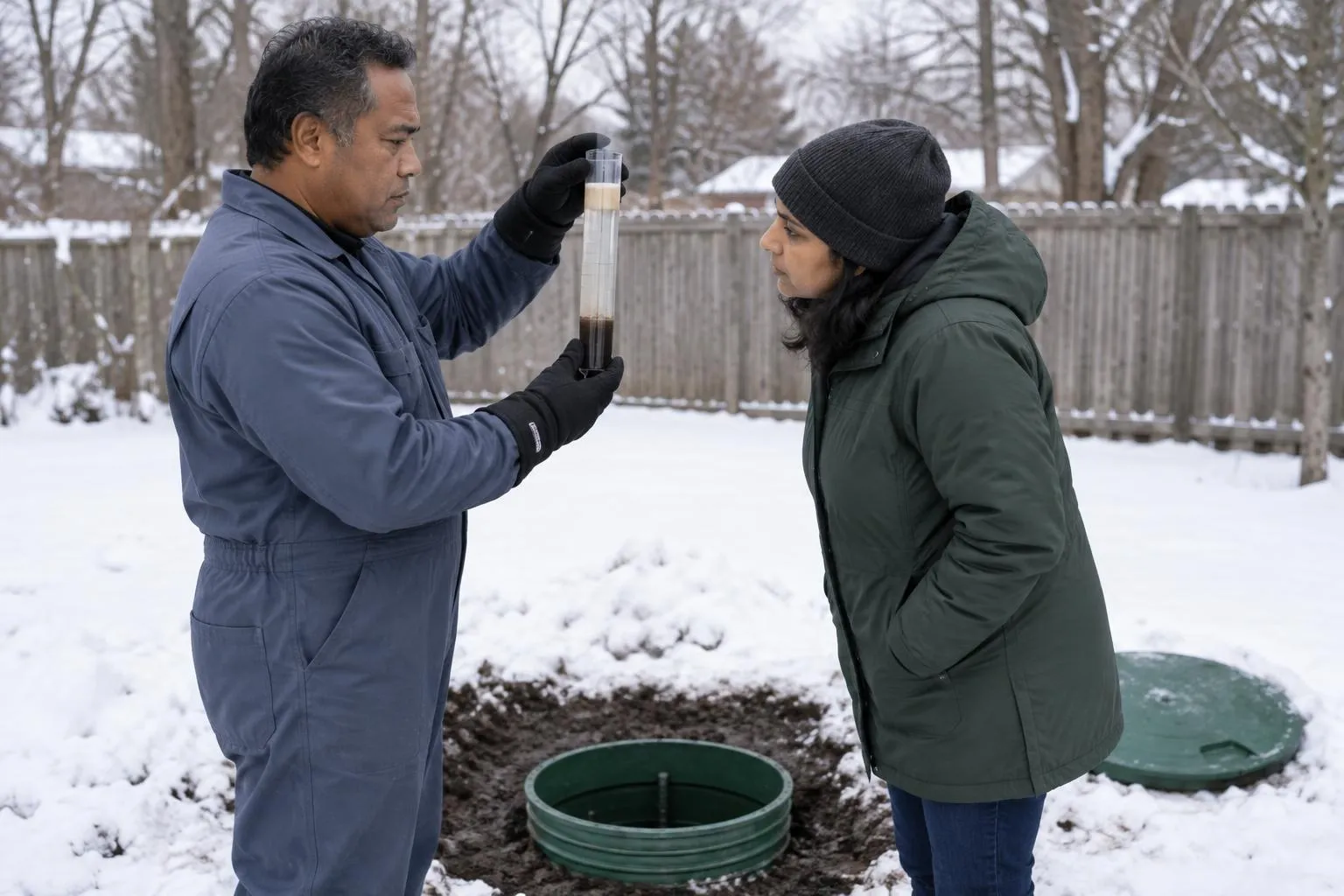
Tank inspection — Condition of the tank walls, inlet/outlet baffles, effluent level relative to outlet pipe. If the tank is full, it needs to be pumped before a meaningful inspection is possible.
Distribution box check — The D-box routes effluent from the tank to the drainfield trenches. A cracked or settled D-box channels flow unevenly, drowning one side of the field while the other sits dry.
Drainfield evaluation — This is the make-or-break component. Inspectors probe for soft or saturated soil, look for surfacing effluent, and assess whether the field has the absorption capacity it should. A failed drainfield can mean $10,000–$30,000+ to remediate, depending on site conditions and local requirements.
Dye testing — Some inspectors run dye through the system while probing the field to confirm active flow. Not universal, but it’s a meaningful data point.
The inspection report you receive should document all of this with photos. If it’s two paragraphs and no images, it’s not a real report.
Timing and Logistics for Real Estate Transactions
Nobody tells you this until it’s too late: septic inspections add lead time that the standard real estate timeline doesn’t account for.
In a hot market, you might have 10–14 days between accepted offer and inspection contingency deadline. A septic inspection requires scheduling a certified inspector, potentially pumping the tank first (add a week), and then getting the written report. If the inspector finds problems, you need a contractor to evaluate repair costs — add another week.
Reality Check:If you’re buying a property in New York’s rural counties with a private well and septic, don’t let your agent push the inspection to the last week of your contingency window. Build in three weeks minimum. The cost of a rushed inspection isn’t just the fee — it’s the negotiating leverage you lose when you’re out of time.
For sellers, commissioning a pre-listing inspection is one of the higher-ROI moves you can make on a property with an older system. You find the problems on your timeline, not the buyer’s.
Understanding Credentials
New York doesn’t have a single statewide license for septic inspectors — it’s a mix of county health department certifications, NAWT national credentials, and licensed professional engineer oversight for more complex systems.
The credential to look for at the national level is the NAWT Certified Inspector (CI) designation, issued by the National Association of Wastewater Technicians. It requires training, field experience, and ongoing education. State-licensed evaluators hold credentials issued through county or state health departments and are typically required for official Title 5-equivalent evaluations tied to property transfers in certain counties.
For a residential purchase, a NAWT CI is your baseline. For a permit-required evaluation under a specific county program, you may need a licensed evaluator specifically approved by that county.
Practical Bottom Line
If you’re buying a home in New York with a septic system, here’s the move:
- Book a NAWT-certified inspector as soon as you’re under contract. Don’t wait for your general home inspection to happen first — run them in parallel.
- Confirm the inspection scope upfront. Tank, baffles, D-box, drainfield probe. Photos in the report. If they won’t confirm these, find someone who will.
- Budget for tank pumping. If the tank hasn’t been pumped recently, the inspector can’t fully assess the outlet baffle. Add $200–$400 and schedule it with the inspection.
- Use the New York directory to find certified inspectors in your specific county — coverage varies significantly from the Capital District to the North Country.
For a deeper grounding in how septic inspections work and what the report means, the Complete Guide to Septic System Inspectors covers the full evaluation framework, what repair timelines look like, and how to read an inspection report without a contractor translating it for you.
The short version: New York’s septic market is real, regional, and consequential. Find someone credentialed, book them early, and don’t let “it’s always worked fine” be the last thing you hear before closing.
Done reading? Get quotes from septic system inspectors in New York.
Takes about a minute. Free, no obligation; providers reply to you directly.
Popular cities:
Nick built this directory to help homebuyers and homeowners find credentialed septic inspectors who provide unbiased evaluations — a conflict of interest he encountered firsthand when inspectors tied to pumping companies recommended costly repairs that an independent evaluator later deemed unnecessary.